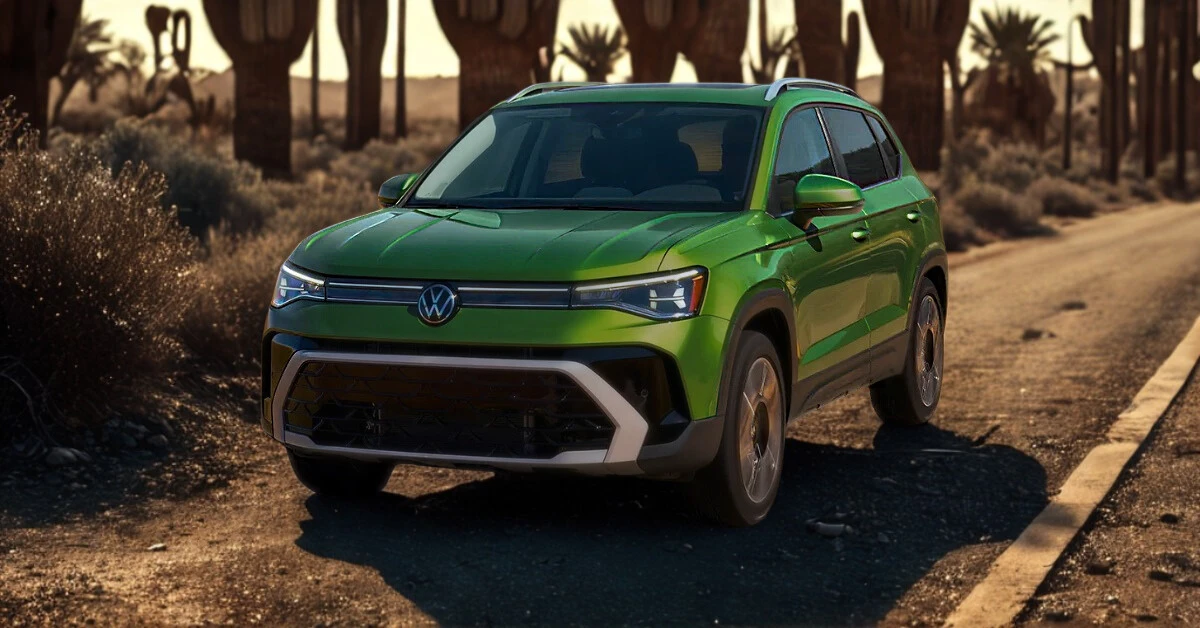


Volkswagen is gearing up for a significant transformation with its iconic Golf, and this time, it’s going all-electric with a powerful new ally—Rivian. The next-generation Golf EV, set to debut in 2028 or 2029, will be built on an advanced software platform co-developed with Rivian, marking a pivotal shift for the legendary hatchback. This move not only ensures the Golf’s relevance in the electric era but also showcases Volkswagen’s commitment to cutting-edge technology and flexibility.
The German automaker has pledged a substantial $5.8 billion investment in its partnership with Rivian, a move expected to revolutionize its future EV lineup. With this collaboration, Volkswagen aims to simplify its existing software architecture, significantly reducing the number of control units in its vehicles. By leveraging a zonal approach to software, the new platform will allow VW to customize each model’s functionality efficiently, ensuring cost-effectiveness while maintaining high performance.
At the heart of this transformation is Volkswagen’s new SSP platform, boasting 800-volt technology, which promises faster charging times and improved efficiency. The upcoming electric Golf, likely to be named the ID. Golf, will be one of the first to benefit from this new architecture. But before the Golf arrives, Volkswagen will roll out the ID.1, an entry-level EV expected to launch in 2027, which will serve as a testing ground for the new software before it’s integrated into the Golf. This strategic approach minimizes risks and ensures a refined experience when the Golf EV finally hits the market.
Volkswagen’s approach to EV development is now more modular than ever. Kai Grünitz, VW’s technical chief, highlighted the flexibility of the zonal software system, explaining that different models will be able to utilize varying levels of technology based on their segment. For instance, budget-friendly models like the ID.1 may only require a single software zone, while premium vehicles like the Golf EV could incorporate multiple zones for enhanced features and automation capabilities. Over-the-air updates will further refine these functions, allowing Volkswagen to improve vehicles post-sale without requiring physical modifications.
As for production, Volkswagen plans to manufacture the electric Golf at its historic Wolfsburg plant in Germany, reinforcing its commitment to local manufacturing. Meanwhile, the current Mk8 Golf’s production will be relocated to Puebla, Mexico, as VW shifts its resources towards electrification.
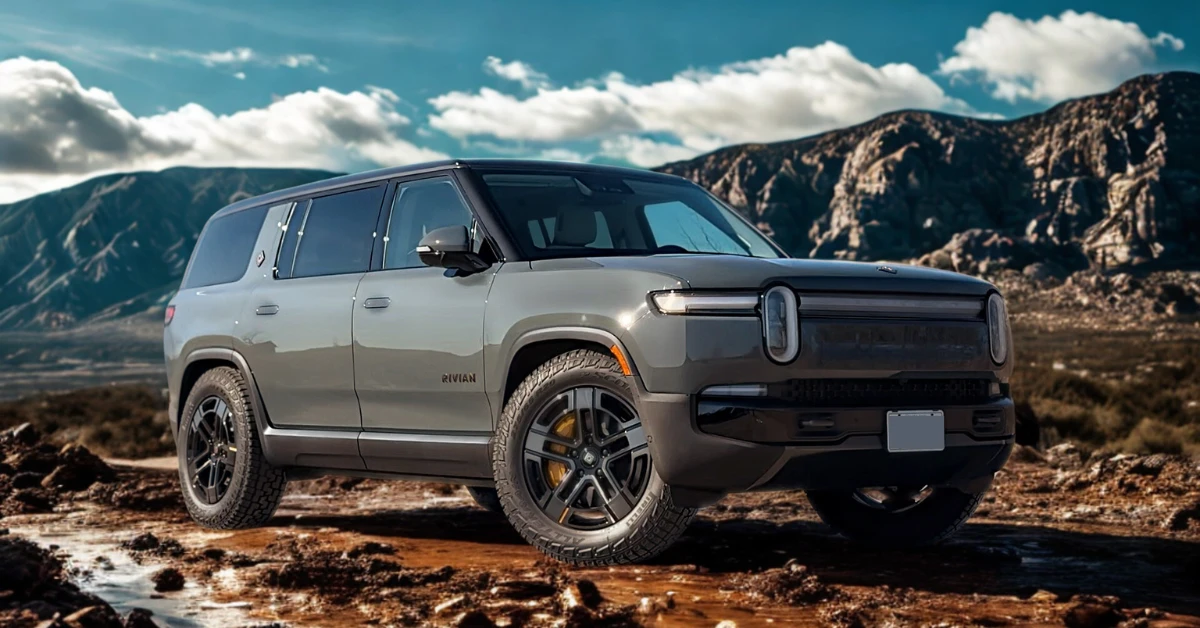
Volkswagen’s partnership with Rivian brings another critical advantage—proven software adaptability. Rivian has already demonstrated the effectiveness of its software-driven architecture in models like the R1S SUV and R1T pickup, which receive regular over-the-air updates to enhance performance. By integrating this approach into the Golf EV, Volkswagen aims to offer a continuously evolving driving experience, keeping the vehicle technologically relevant for years to come.
Despite its illustrious history, the Golf faces increasing competition in the evolving automotive landscape. The model’s previous attempt at electrification, the e-Golf, was ultimately overshadowed by newer models like the ID.3. However, Volkswagen is determined to ensure that the Golf EV retains the essence of what made the original a fan favorite while embracing the future with cutting-edge technology.
Looking ahead, Volkswagen has ambitious plans beyond the Golf EV. Rivian’s mid-size R2 SUV will be among the first to utilize the new platform, followed by Volkswagen’s high-volume models equipped with advanced automated driving features. Meanwhile, Rivian is also working on smaller, more affordable models, such as the R3 crossover and the sportier R3X, raising questions about whether these upcoming models could emerge as competitors to the Golf EV.
The Golf has long been a cornerstone of Volkswagen’s lineup, and transitioning it into an all-electric future with Rivian’s expertise is a bold step. The success of this move will depend on how well Volkswagen balances the Golf’s traditional appeal with the expectations of modern EV buyers. Will this partnership preserve the Golf’s legacy, or will it be another experiment in Volkswagen’s journey toward electrification? One thing is certain—the next-gen Golf EV is shaping up to be one of the most anticipated electric hatchbacks of the decade.