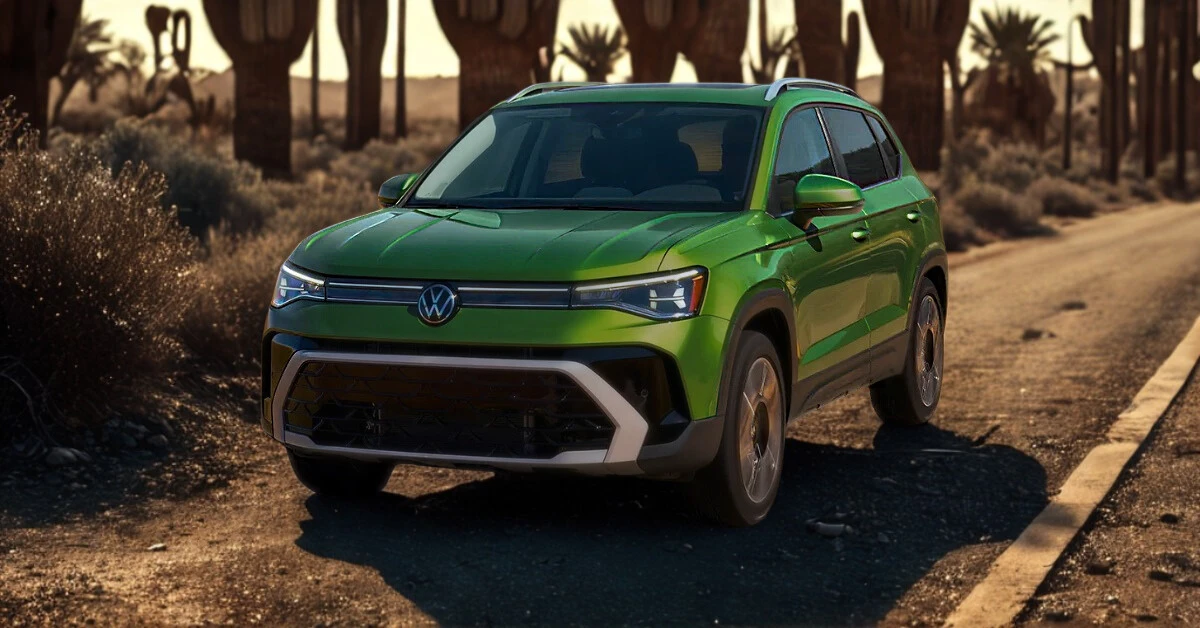


Volkswagen is taking a bold step in the electric vehicle market with the ID.Every1, an affordable EV designed to bring electric mobility to the masses. With a planned starting price of just €20,000 ($21,300), this compact hatchback is the long-awaited successor to the e-up! and is poised to compete in the growing budget EV segment. Slated for a 2027 launch, the ID.Every1 is a preview of Volkswagen’s ambitious strategy to make electric vehicles more accessible while maintaining the brand’s signature practicality and innovation.
A Small Car with a Big Purpose
The ID.Every1 concept embodies Volkswagen’s vision for an affordable electric future. Designed as an indirect successor to the discontinued e-up!, it’s larger yet retains the city-friendly footprint that made its predecessor popular. Measuring 152.7 inches (3880 mm) in length, it’s 11 inches (280 mm) longer than the e-up! but still 6.7 inches (170 mm) shorter than the upcoming ID.2all. With a width of 71.4 inches (1816 mm) and a height of 58.6 inches (1490 mm), it promises a balanced combination of compact maneuverability and interior spaciousness.
Built on the same MEB platform as the ID.2, this front-wheel-drive hatchback offers intelligent packaging that maximizes interior space. Volkswagen claims that the ID.Every1’s cabin is as roomy as the Polo supermini, comfortably accommodating four passengers. The luggage compartment boasts a capacity of 10.7 cubic feet (305 liters), making it surprisingly practical for a vehicle of this size.
Design and Features: Retro-Inspired with Modern Touches
Volkswagen has infused the ID.Every1 with nostalgic design cues reminiscent of the first-generation Golf. The flat beltline, clean surfaces, and black rear paneling nod to the original GTI from 1976, giving the car a timeless yet contemporary appeal. Despite its compact dimensions, the ID.Every1 sits on stylish 19-inch wheels, though smaller options may be available in the production version for those prioritizing comfort and efficiency.
Inside, the dashboard is dominated by a large touchscreen infotainment system, but Volkswagen has wisely included physical buttons for essential functions, ensuring an intuitive user experience. A small digital instrument cluster remains in place, providing key driving information at a glance. Another interesting touch is a removable Bluetooth speaker positioned between the front seats, adding a layer of customization to the cabin. The center console is mounted on a rail system, similar to the larger ID.Buzz minivan, allowing it to slide forward or backward as needed. Additionally, a rail on the passenger side of the dashboard can be used to attach a tablet or a small table for added functionality.
Performance and Efficiency
The ID.Every1 is designed primarily for city driving, featuring a single front-mounted electric motor producing 94 horsepower. While this modest power output won’t break any speed records, it enables a top speed of 81 mph (130 km/h), which is sufficient for urban and suburban commuting.
Volkswagen has not disclosed the exact battery capacity, but the company promises a minimum driving range of 155 miles (250 km) per charge. This figure is based on European testing standards, meaning the real-world range might vary, especially under different driving conditions. While this range may not meet the expectations of long-distance travelers, it is more than adequate for daily commutes and city use.
Software and Technology: The Good and the Concerning
Volkswagen has emphasized that the ID.Every1 will introduce a new software architecture, promising enhanced functionality and over-the-air updates. While this sounds promising, there are concerns given Volkswagen’s past struggles with software glitches in some of its recent models.
One potentially controversial aspect is the mention of “new functions throughout its entire life cycle if its users so wish.” This likely means that some features will be locked behind a subscription paywall, a growing trend in the automotive industry that has received mixed reactions from consumers. However, the promise of continuous updates and improvements could also ensure that the ID.Every1 remains relevant and competitive for years after its launch.
The Road Ahead for Volkswagen’s Budget EV
The ID.Every1 is part of Volkswagen’s broader push toward affordable electric mobility. It will follow the ID.2, which is expected to debut in 2026, and will likely share many of its key components. The ID.2 will also spawn a GTI version and a rugged crossover variant, the ID.2X, which is set to be unveiled at the 2025 IAA Mobility Show in Munich.
While the ID.Every1 is unlikely to be sold in the U.S. due to market preferences and trade policies, it has the potential to become a significant player in Europe’s urban EV market. By offering an affordable price tag without compromising on practicality, Volkswagen aims to attract a new generation of EV buyers who may have previously been priced out of the market.
Specifications Table
| Specification | Volkswagen ID.Every1 |
|---|---|
| Platform | MEB (Front-Wheel Drive) |
| Length | 152.7 in (3880 mm) |
| Width | 71.4 in (1816 mm) |
| Height | 58.6 in (1490 mm) |
| Motor | Single front-mounted electric motor |
| Power Output | 94 hp |
| Top Speed | 81 mph (130 km/h) |
| Battery Range | Minimum 155 miles (250 km) |
| Cargo Space | 10.7 cubic feet (305 liters) |
| Expected Price | ~€20,000 ($21,300) |
| Production Start | 2027 |