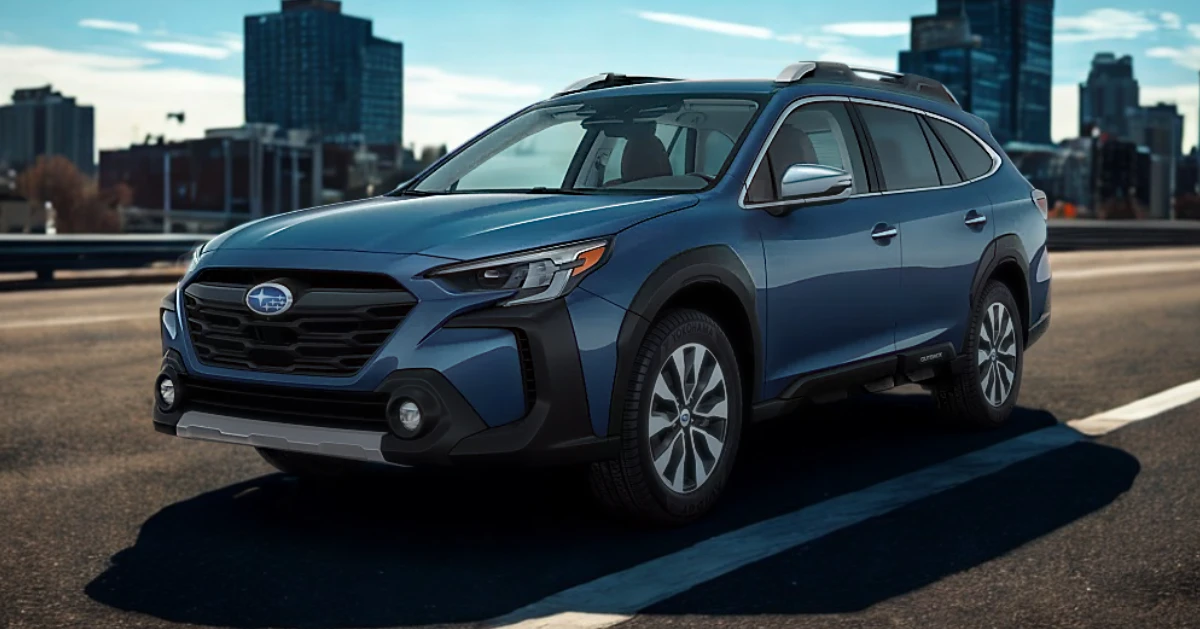


Toyota and Subaru are deepening their collaboration in the electric vehicle market with the development of two new compact SUVs set to launch in 2026. These upcoming models, designed to expand both automakers’ zero-emission lineups, will follow in the footsteps of the Toyota bZ4X and Subaru Solterra but are expected to feature a more traditional SUV design.
A Shared Platform, Distinct Identities
To keep development costs under control and streamline production, the new compact electric SUVs will be built on the e-TNGA platform—the same architecture that underpins the bZ4X and Solterra. This means they will share key components, including battery packs and electric motors. However, Toyota and Subaru will ensure each model maintains its own brand identity with distinct styling elements such as unique front grilles, headlights, and minor design tweaks.
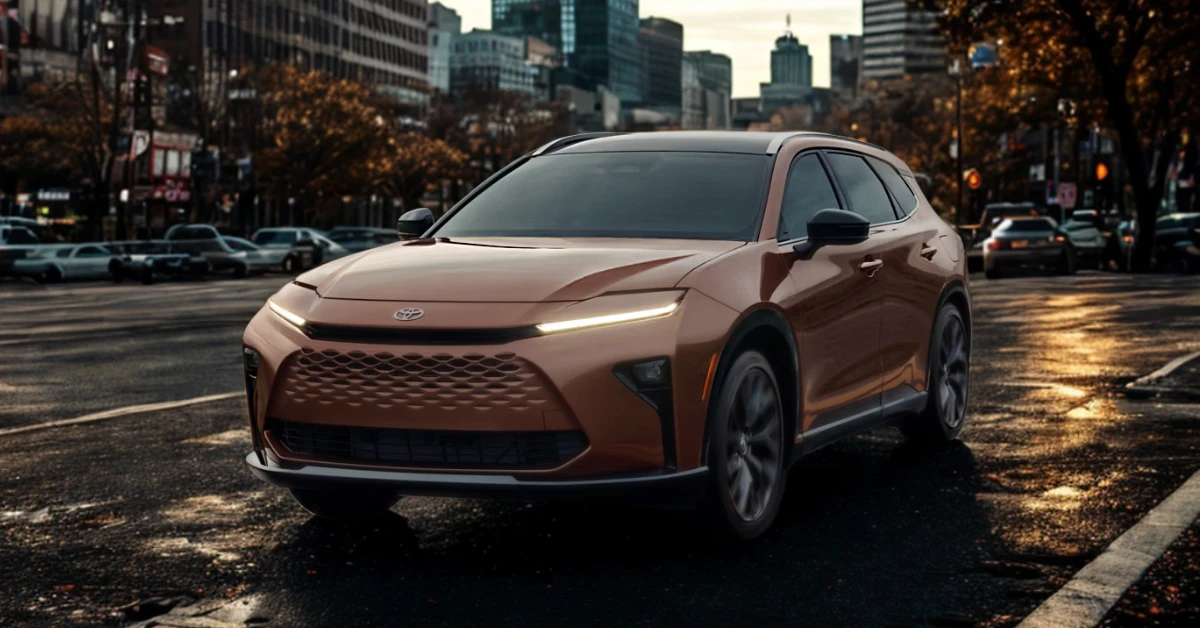
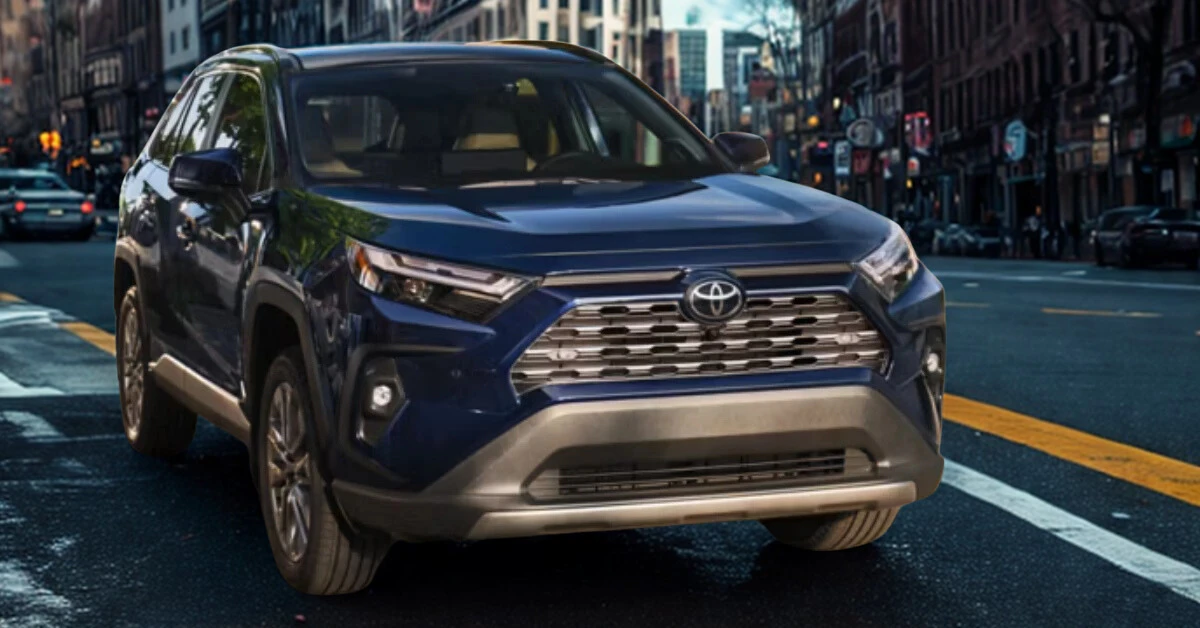
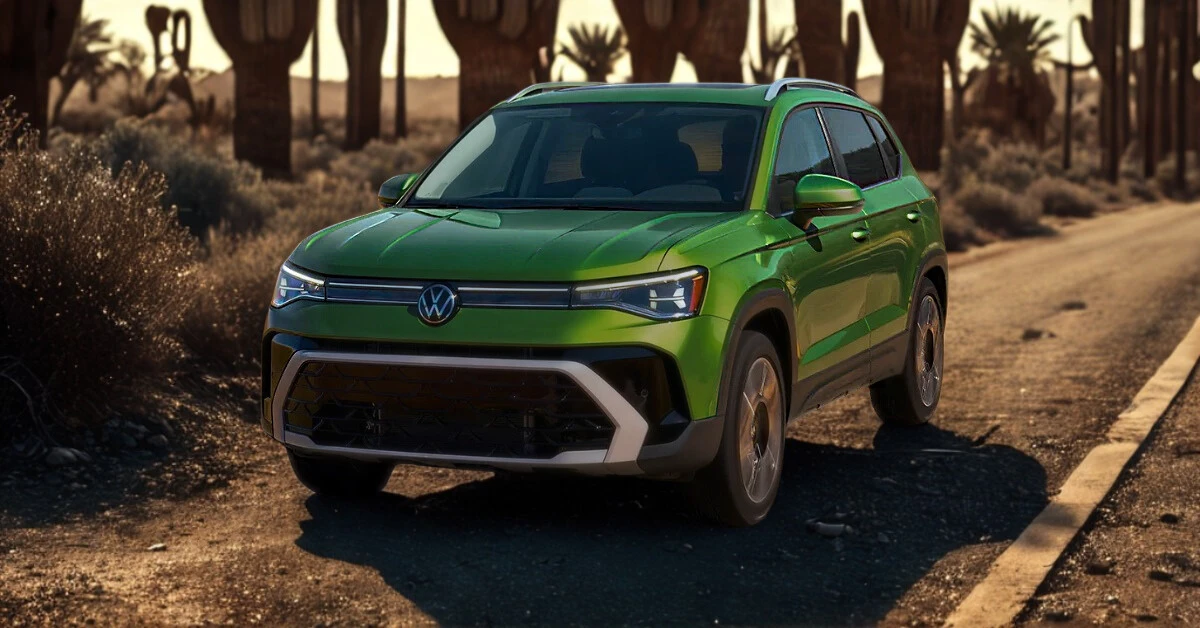
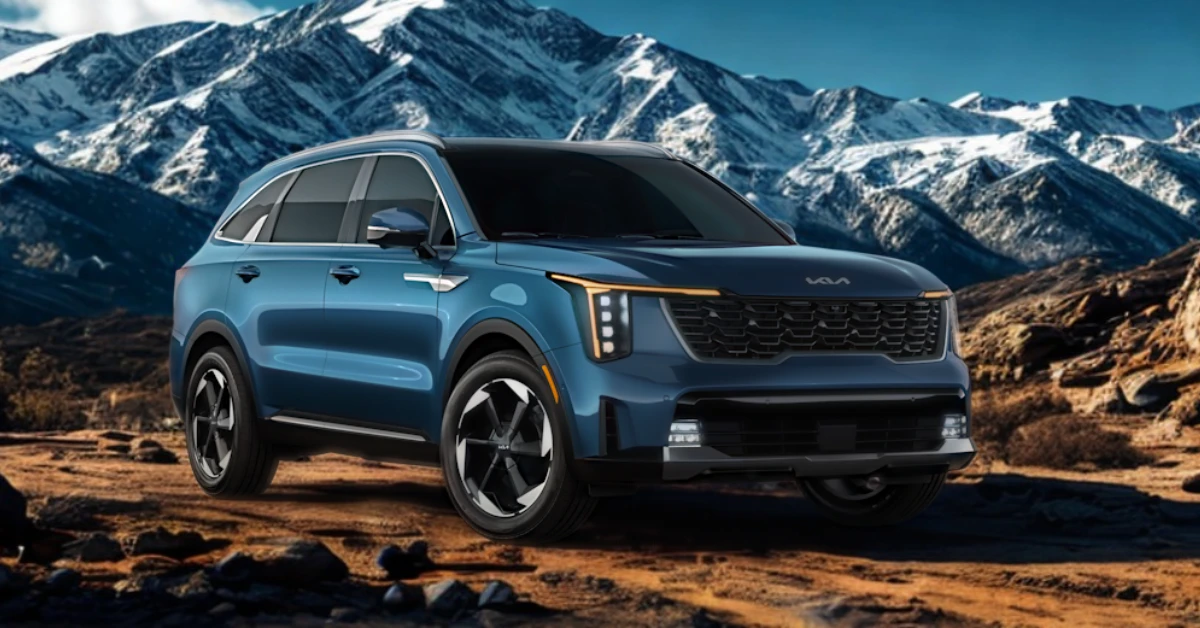
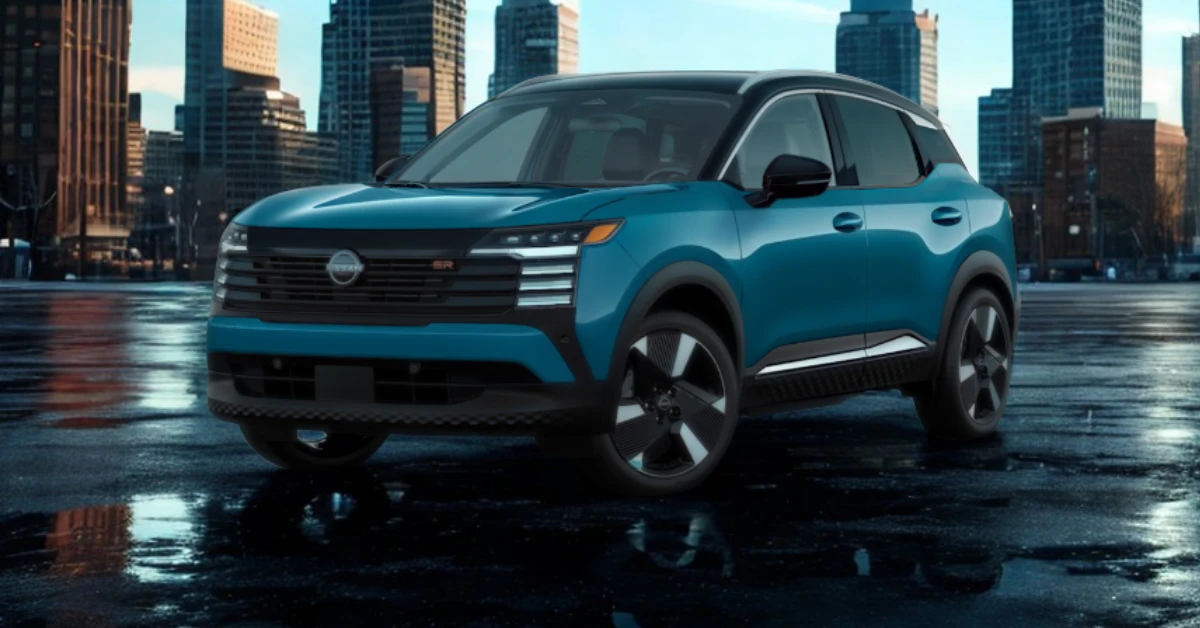
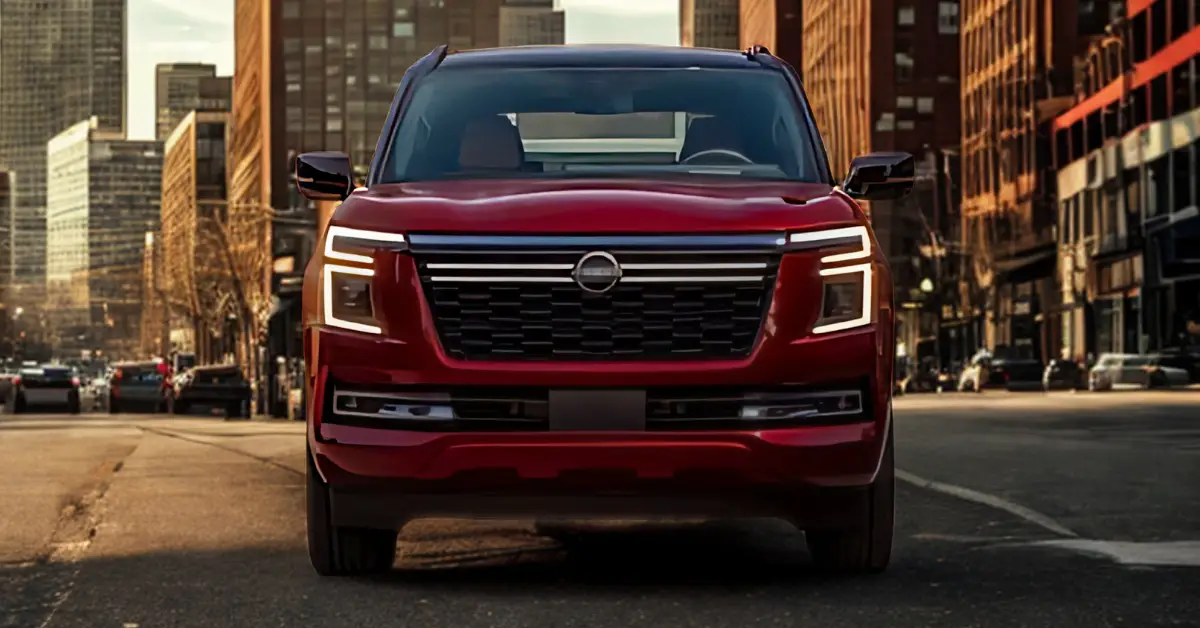
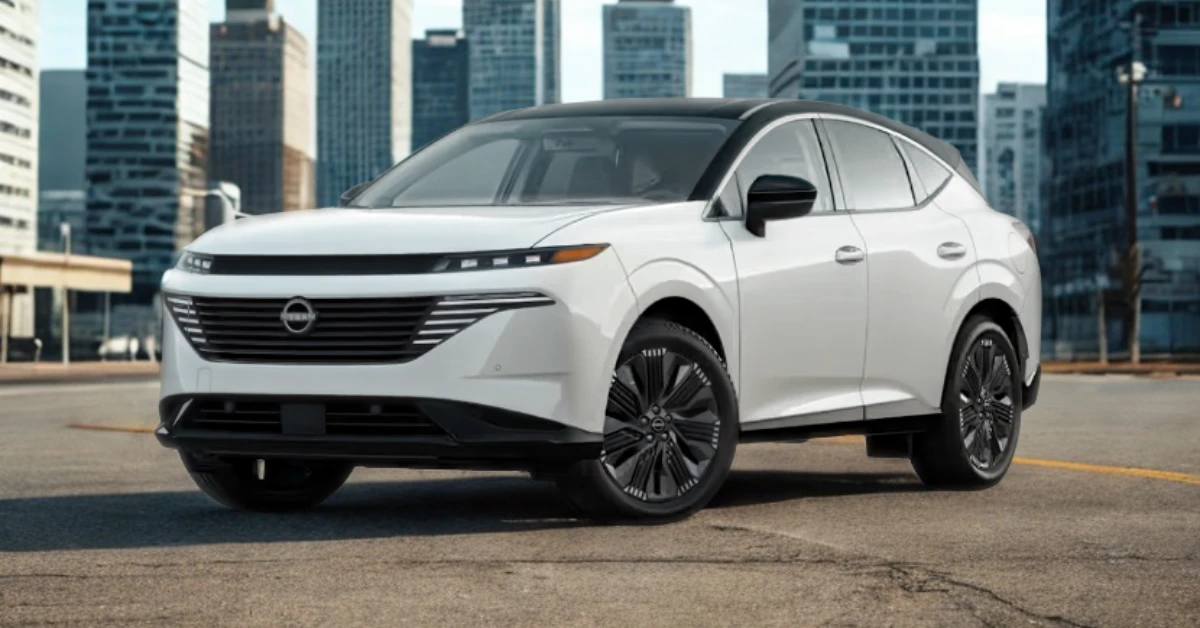
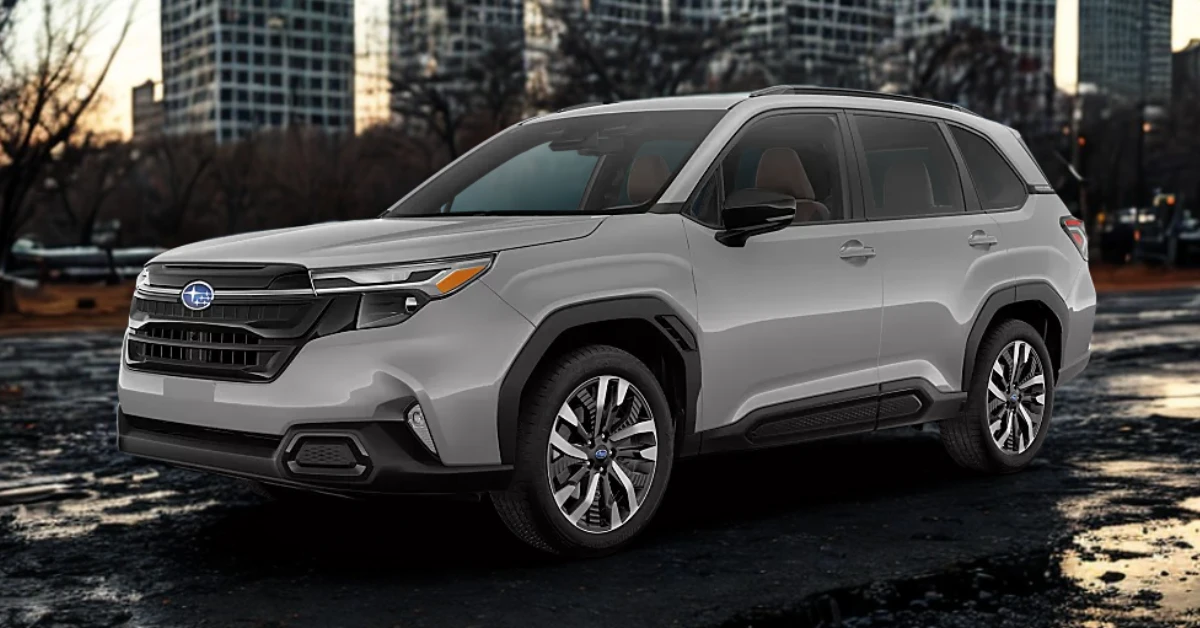
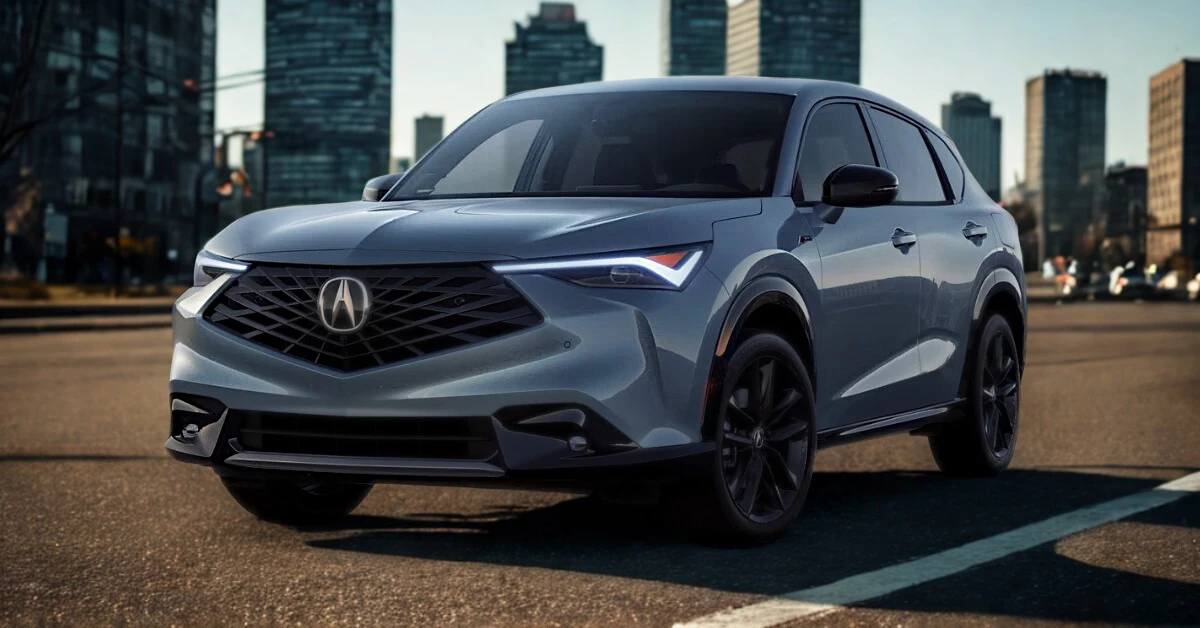
Unlike the futuristic aesthetic of the bZ4X and Solterra, the new SUVs are expected to adopt a more conventional design. Reports suggest they will resemble a next-generation Toyota RAV4, featuring a sharper front end, roof rails, and a more upright rear section, enhancing their traditional SUV appeal.
Toyota’s EV Strategy Gains Momentum
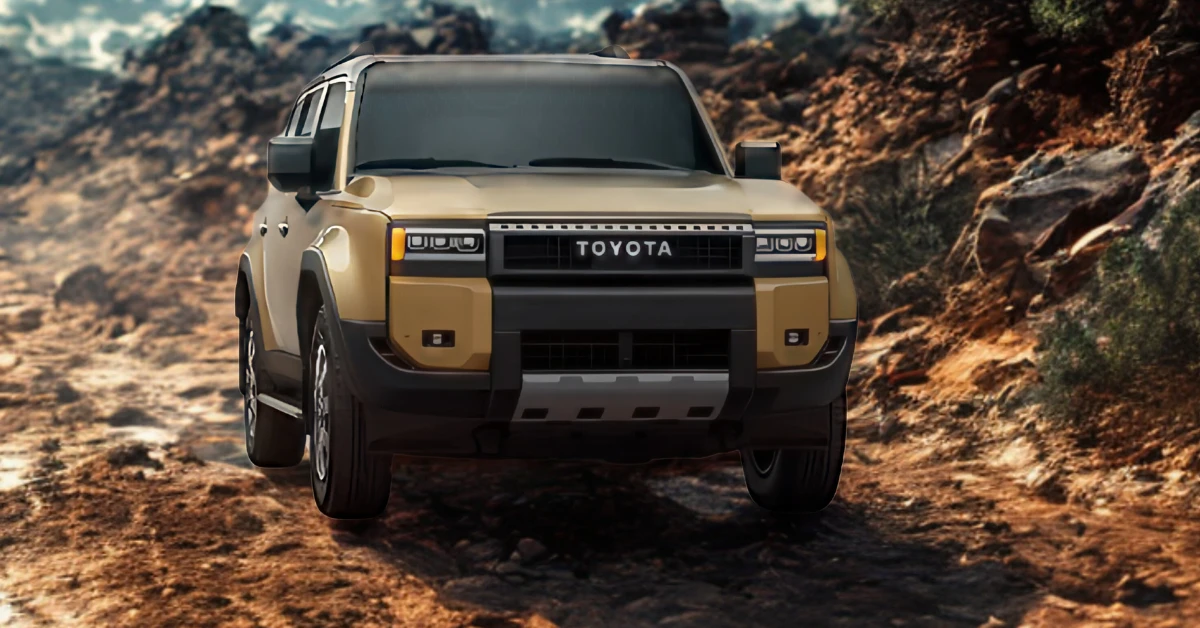
Toyota recently unveiled teasers for three new electric models slated for release by 2026. While two of these seem to be production versions of the EPU electric pickup and the Land Cruiser SE concept from 2023, speculation suggests the third could be the Toyota-branded version of this upcoming compact SUV.
This expansion is part of Toyota’s broader push to strengthen its electric vehicle lineup, which already includes the bZ4X, the newly launched CH-R+, and the Urban Cruiser. By adding another compact SUV, Toyota aims to bolster its presence in a highly competitive segment, offering customers a practical, all-electric alternative.
Subaru Takes Charge of Production
Unlike the bZ4X and Solterra, which are manufactured at Toyota’s Motomachi plant, the production of the new electric SUVs will be handled by Subaru at its Yajima plant in Japan. Manufacturing is set to commence in January 2026, allowing both brands to increase production capacity while maintaining cost efficiency.
For Subaru, this marks a significant step in expanding its electric vehicle offerings. Currently, the Solterra is the brand’s only fully electric model. By manufacturing these new SUVs, Subaru strengthens its commitment to electrification while leveraging Toyota’s experience in the EV sector.
A Global Rollout with Big Ambitions
The new electric SUVs will be launched in key markets, including Japan, Europe, and North America. Their arrival will not only give Toyota and Subaru a stronger foothold in the compact electric SUV segment but also provide consumers with more choices in the growing EV market.
Subaru has even bigger plans beyond this collaboration. While working alongside Toyota, Subaru is also developing its first internally-designed electric vehicle, set for release in 2028. The automaker has outlined a bold strategy, aiming for electric vehicles to make up 50% of its global sales by 2030.
The Road Ahead
The Toyota-Subaru partnership continues to yield innovative electric models, ensuring both brands stay competitive in the evolving automotive landscape. These upcoming SUVs are poised to become strong contenders against established players in the EV market, offering consumers practical, efficient, and well-designed zero-emission options. With production kicking off in early 2026, Toyota and Subaru seem well-positioned to accelerate their electric ambitions and meet the growing global demand for EVs.