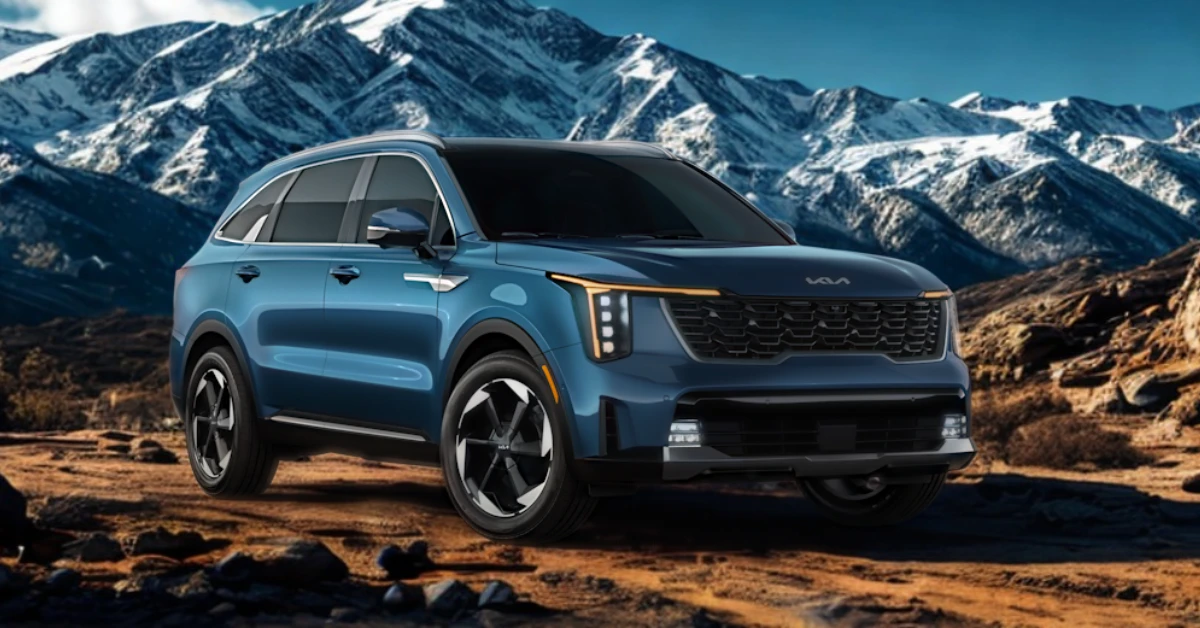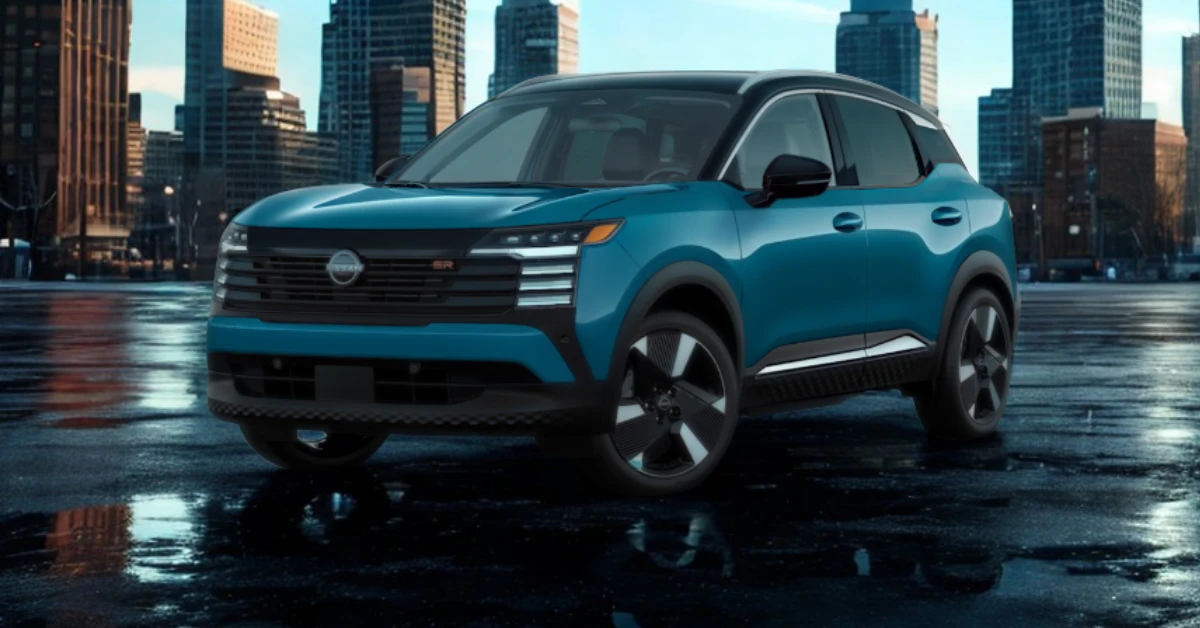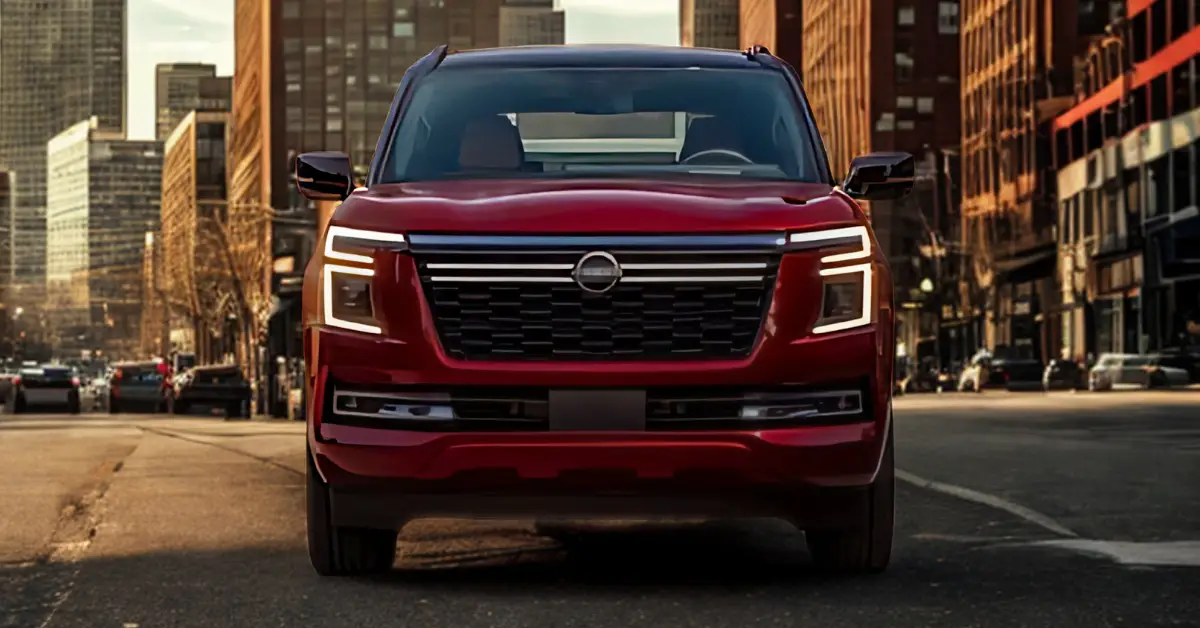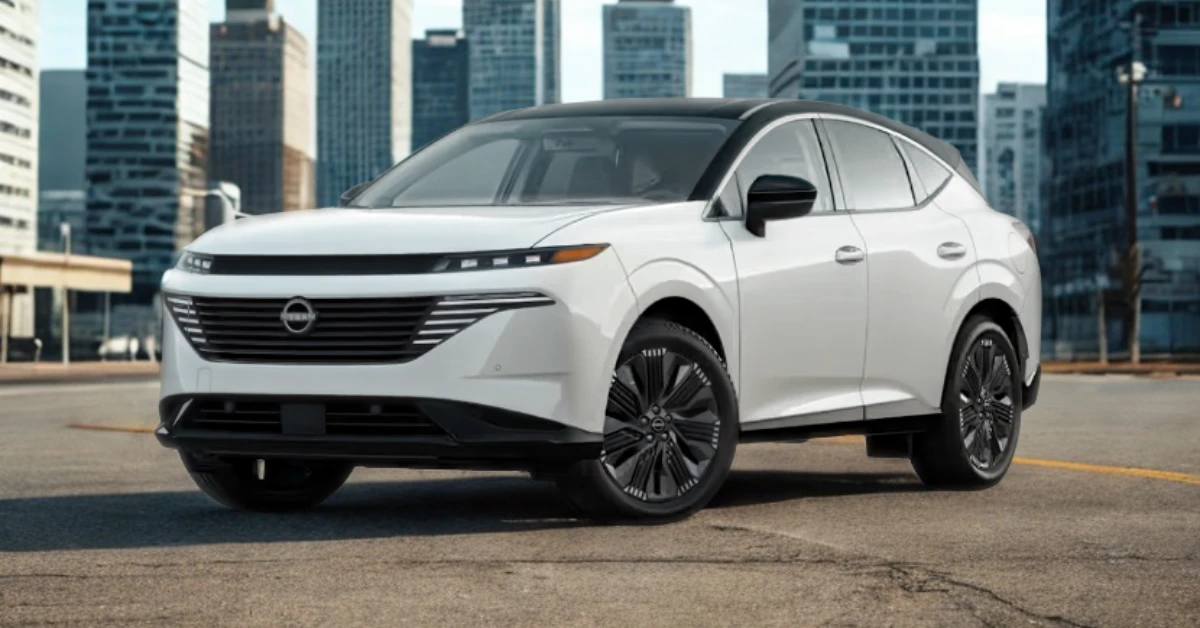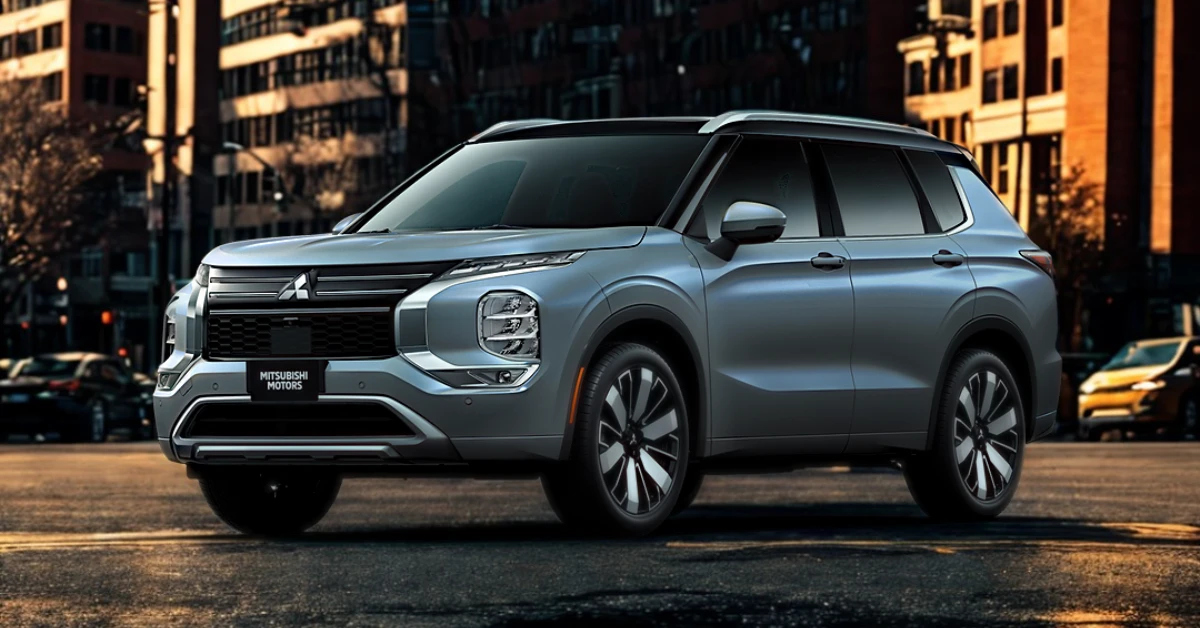


Mitsubishi is set to take a different path with its next-generation Outlander, breaking away from Nissan’s platform in a strategic shift that underscores growing tensions within the Renault-Nissan-Mitsubishi Alliance. The current Outlander, introduced in 2021, rides on Nissan’s CMF-CD platform—the same one underpinning the X-Trail (known as the Rogue in the U.S.). However, this partnership might not last beyond this generation.
According to reports from Automotive News, Mitsubishi intends to transition to a modified in-house platform for the Outlander’s next redesign, slated for 2027. While Mitsubishi has yet to officially confirm the move, industry insiders suggest that this is part of a broader strategy to regain greater independence, particularly as Nissan faces its own financial struggles.
Outlander’s Evolution: A Shift Back to Mitsubishi’s Roots
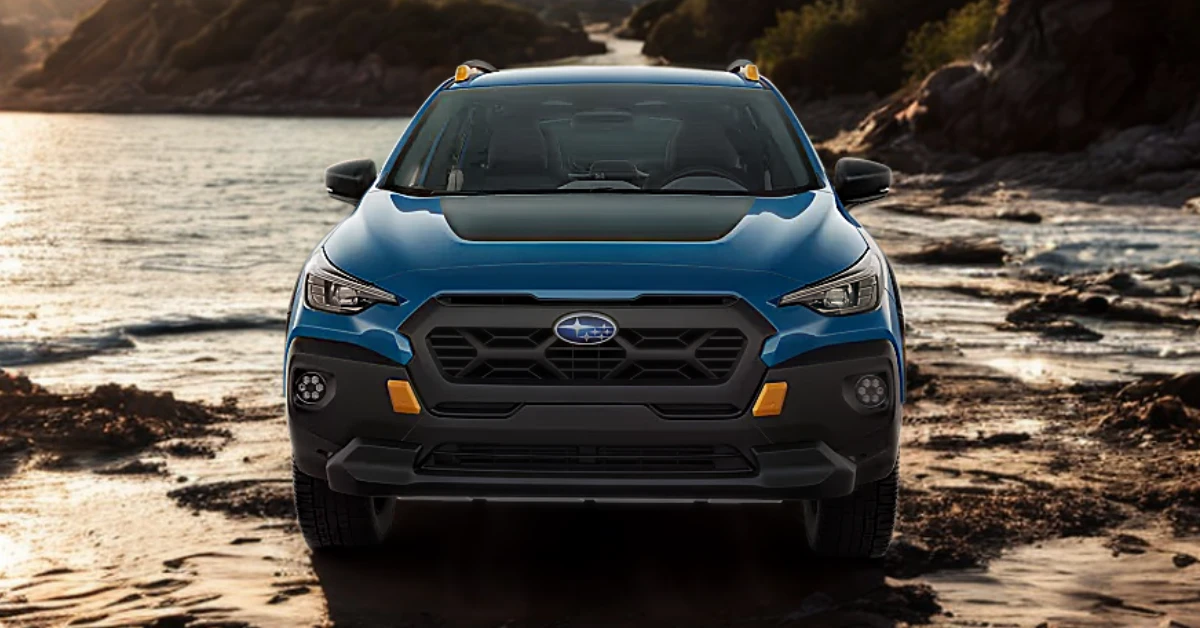
Mitsubishi’s use of Nissan’s platform was originally framed as a strategic decision, leveraging shared resources while maintaining distinct brand characteristics. However, after just one generation, the automaker appears to be reconsidering this approach. Before the full redesign in 2027, Mitsubishi is planning to introduce a mild-hybrid powertrain and a rugged ‘Trail Edition’ to the Outlander lineup. These updates are expected to keep the model competitive until the next overhaul.
As of now, it remains unclear which platform Mitsubishi will use for the 2027 Outlander. The aging GS platform—originally developed in collaboration with DaimlerChrysler—dates back to 2005, making it an unlikely candidate. Meanwhile, newer platforms like the one underpinning the Xforce and Xpander in Southeast Asia may not meet safety and regulatory requirements in key markets such as the U.S. and Australia. This raises questions about Mitsubishi’s long-term platform strategy, particularly for global markets where the Outlander plays a crucial role.
Why the Split? Struggles Within the Renault-Nissan-Mitsubishi Alliance
Mitsubishi’s move to distance itself from Nissan comes at a time of uncertainty within the alliance. In November 2024, Nissan sold off part of its 34% stake in Mitsubishi, a move widely interpreted as an attempt to stabilize its own financial situation. Shortly thereafter, Mitsubishi repurchased 10% of its own shares from Nissan, further signaling a loosening of ties.
The instability within the alliance isn’t just limited to Nissan and Mitsubishi. Earlier merger talks between Nissan and Honda collapsed, reportedly due to disagreements over whether Nissan would become a subsidiary of Honda. This failure has only fueled speculation about Nissan’s next steps, with rumors swirling that the company might seek a partnership with Taiwanese electronics giant Foxconn as it grapples with financial pressures.
Mitsubishi’s Challenges in the U.S. and Other Key Markets
Despite its global significance, the Outlander has faced challenges in some markets, particularly the U.S., where Mitsubishi’s overall sales have struggled. Dealers have expressed frustration over the brand’s aging lineup and the discontinuation of models like the Mirage, which was once one of Mitsubishi’s best-selling vehicles. Rising costs and limited new offerings have only added to the pressure.
Nevertheless, the Outlander remains a vital model for Mitsubishi. In Australia and the U.S., it was the brand’s best-seller last year, accounting for 37% and 41% of Mitsubishi’s sales in those markets, respectively. With such strong market reliance, the upcoming redesign and platform shift are crucial to ensuring the Outlander remains competitive.
What’s Next for Mitsubishi?
While Mitsubishi’s immediate focus is on the Outlander’s transition, broader questions remain about the company’s direction. As the brand distances itself from Nissan, it will need to navigate the challenges of developing a robust, cost-effective platform that meets global regulatory standards. The move also raises speculation about whether Mitsubishi might seek new alliances or partnerships to maintain its competitive edge.
For now, Mitsubishi fans can expect incremental updates to the current Outlander, with the mild-hybrid variant and Trail Edition offering fresh appeal before the 2027 redesign. As the automotive landscape continues to evolve, Mitsubishi’s next steps will be closely watched—not just for the Outlander, but for the brand’s future in a rapidly changing industry.