

Volkswagen’s long-standing presence in China is taking an electrifying new turn as the automaker unveils both a dramatically redesigned Sagitar sedan and ambitious plans for a wave of new energy vehicles in partnership with FAW Group.
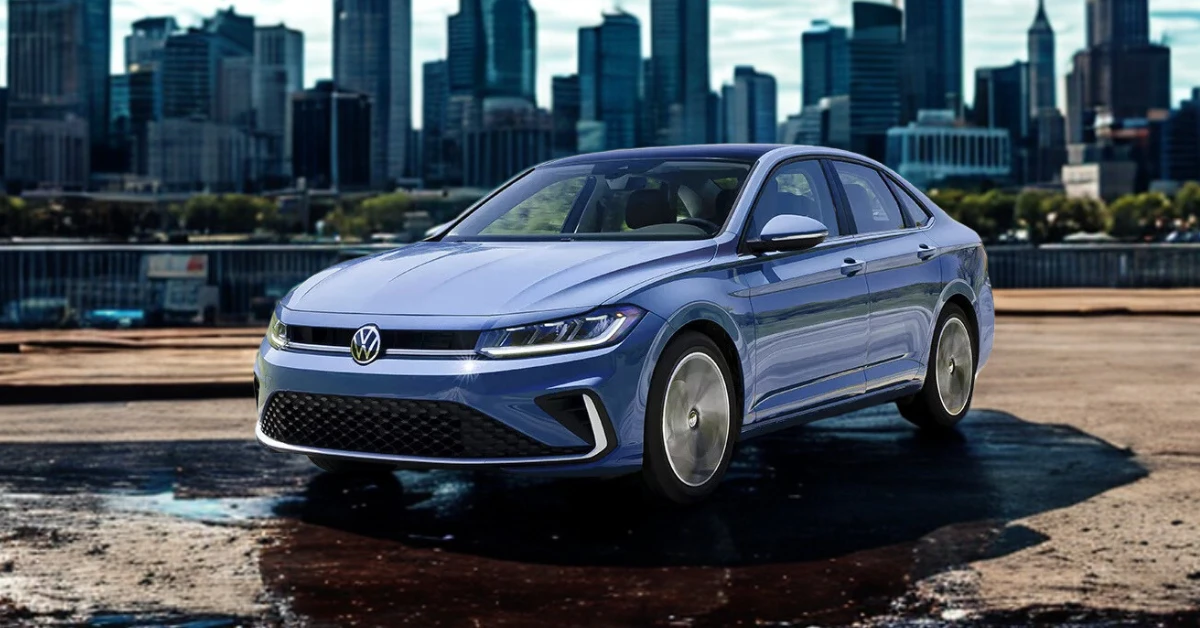
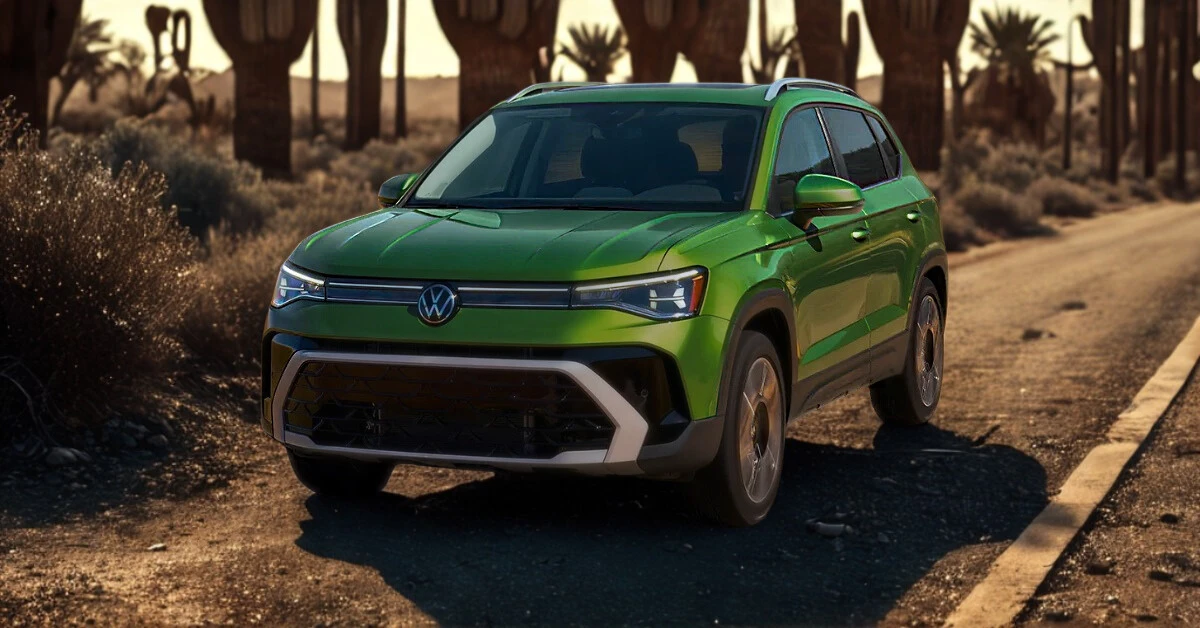
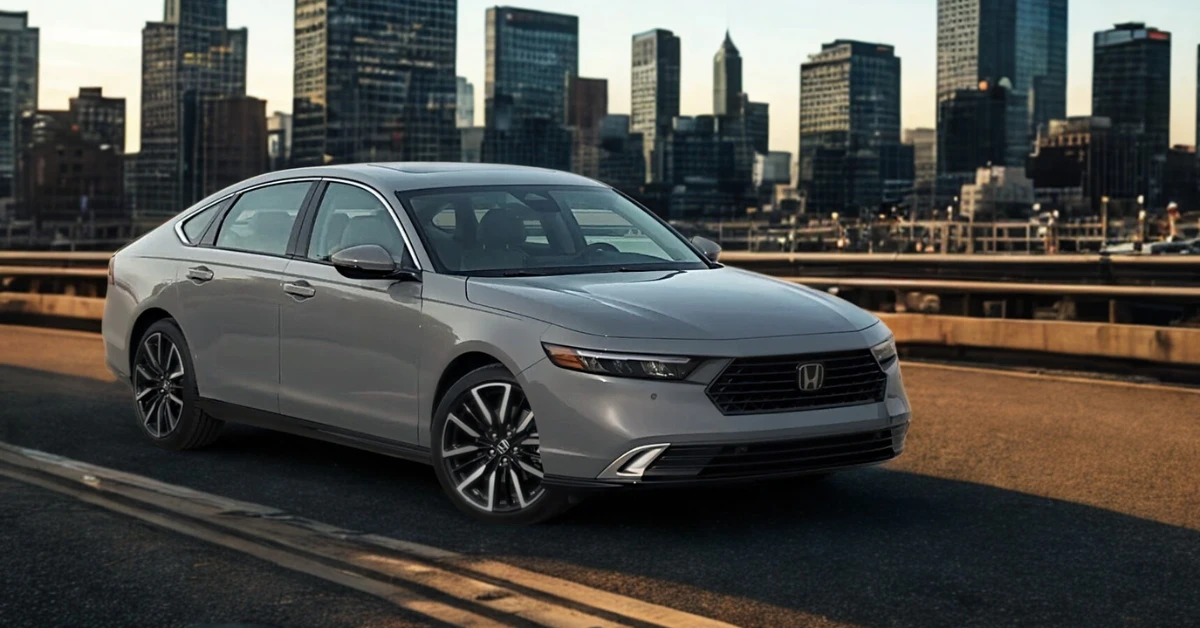
In a significant design overhaul, Volkswagen’s Ministry of Industry and Information Technology in China has revealed the facelifted Sagitar, breathing fresh life into this longer-wheelbase adaptation of the North American Jetta. The refreshed model represents a dramatic departure from its predecessor, abandoning outdated pre-2020 design elements in favor of sleek, contemporary styling.
The revitalized Sagitar measures an impressive 4,812 mm (189.4 inches) in length, 1,813 mm (71.3 inches) in width, and stands 1,479 mm (58.2 inches) tall with a substantial 2,731 mm (107.5-inch) wheelbase. These dimensions position it as comparable to the Passat in overall size, offering Chinese consumers a spacious sedan option produced through Volkswagen’s ongoing collaboration with FAW.
Design enthusiasts will appreciate the Sagitar’s modernized front fascia, featuring sophisticated blacked-out headlight lenses and a refined grille with a subtle split design. Customization options include either a blacked-out or chrome-finished VW badge, while a new black trim piece now connects the small air intakes for enhanced visual cohesion.
The exterior upgrades continue with flush-mounted door handles that blend seamlessly with the bodywork, three new 17-inch wheel designs featuring black and silver spoke patterns, an available sunroof, and a black shark fin antenna. The rear showcases prominent Sagitar badging and LED taillights connected by an elegant light bar, completing the contemporary aesthetic.
Under the hood, the refreshed Sagitar will be powered exclusively by a 1.5-liter TSI turbocharged four-cylinder engine generating 158 horsepower (118 kW). While modest in output, this powertrain should provide adequate performance for the sedan’s size while delivering favorable fuel efficiency, though specific consumption figures remain undisclosed. Power will be transmitted to the front wheels through Volkswagen’s seven-speed DSG dual-clutch automatic transmission.
The Sagitar also embraces modern technology with the inclusion of an onboard video driver recorder and event data recorder – safety and security features that are becoming increasingly standard in contemporary vehicles.
However, the Sagitar’s refresh represents just the beginning of Volkswagen’s ambitious plans for the Chinese market. In a landmark strategic cooperation agreement recently signed with China’s FAW Group at Volkswagen’s Wolfsburg headquarters in Germany, the joint venture has outlined a comprehensive roadmap for new model introductions extending through 2030.
The plan reveals that FAW-Volkswagen will launch an impressive 11 new models beginning in 2026, encompassing both the Volkswagen and Jetta brands. Most significantly, 10 of these 11 planned vehicles will be new energy vehicles (NEVs), demonstrating Volkswagen’s commitment to electrification in the world’s largest automotive market.
Breaking down the NEV strategy further, the 10 electrified models will include six battery electric vehicles (BEVs), two plug-in hybrid electric vehicles (PHEVs), and – perhaps most surprisingly – two extended-range electric vehicles (EREVs). The inclusion of EREVs marks a notable shift in Volkswagen’s approach, considering former Volkswagen China CEO Stephan Wöllenstein’s critical comments about this technology in September 2020, when he described extended-range EVs as “nonsense” and “the worst possible solution” from environmental and national perspectives.
This reversal appears influenced by the market success of Li Auto, which pioneered EREV technology in China and publicly challenged Volkswagen’s stance. Li Auto’s founder, Li Xiang, even posted a chart on Weibo in December 2021 highlighting the sales performance of the Li One EREV model in comparison to Volkswagen offerings. As Li Auto has established itself as a formidable player in the EREV segment, numerous other automakers have followed suit – and now Volkswagen is joining their ranks.
The Jetta brand, positioned as Volkswagen’s entry-level offering in China, will launch its first electric model in 2026, targeting the affordable EV market segment. To support this electric offensive, FAW-Volkswagen will leverage the locally developed CMP (China Main Platform) vehicle architecture to meet market demands for both BEV and PHEV models.
Digital capabilities will be enhanced through the implementation of the high-performance CEA (China Electronic Architecture) electrical and electronic architecture, bringing advanced digital services and ADAS (Advanced Driver Assistance System) features to customers. Additionally, Volkswagen’s software division, Carizon, will incorporate AI technology to enhance smart driving capabilities across both highway and urban environments.
In the mid-size segment, FAW-Volkswagen plans to introduce BEV models alongside their EREV counterparts, addressing consumer demand for extended range while maintaining electric mobility experiences. Volkswagen describes these forthcoming models as concrete expressions of its “In China, For China” strategy, with the first new products tailored specifically for Chinese consumers set to debut at the upcoming Shanghai auto show.
This comprehensive electric strategy, combined with the stylistic evolution of models like the Sagitar, demonstrates Volkswagen’s determination to maintain its competitive position in China’s rapidly evolving automotive landscape, where both domestic and international manufacturers are aggressively pursuing electrification initiatives.
| VW-FAW Future Model Plan | Details |
|---|---|
| Total New Models | 11 |
| New Energy Vehicles | 10 |
| Battery Electric Vehicles | 6 |
| Plug-in Hybrid Vehicles | 2 |
| Extended-Range EVs | 2 |
| Internal Combustion | 1 |
| Timeline | 2026-2030 |
| First Jetta EV | 2026 |