
Jaguar is taking a daring leap into the future, even if it means leaving most of its current customers behind. In a dramatic shift, the luxury British automaker is shedding its past to embrace a high-end, all-electric future, targeting an entirely different clientele. Managing director Rawdon Glover estimates that only 15 percent of existing buyers will return for the next generation of Jaguars, marking a radical departure from the brand’s historical customer base.
The transformation has already begun. Jaguar has systematically retired nearly all of its existing models, with the XE, XF, F-Type, E-Pace, and I-Pace ceasing production in 2024. The F-Pace will linger for a short while, but by 2025, only one model will remain on sale before the full-scale launch of Jaguar’s new electric era. The numbers paint a stark picture—Jaguar sold 180,833 vehicles in 2018, but in 2024, that figure has plummeted to just 33,000 units, an 82 percent decline in just six years.
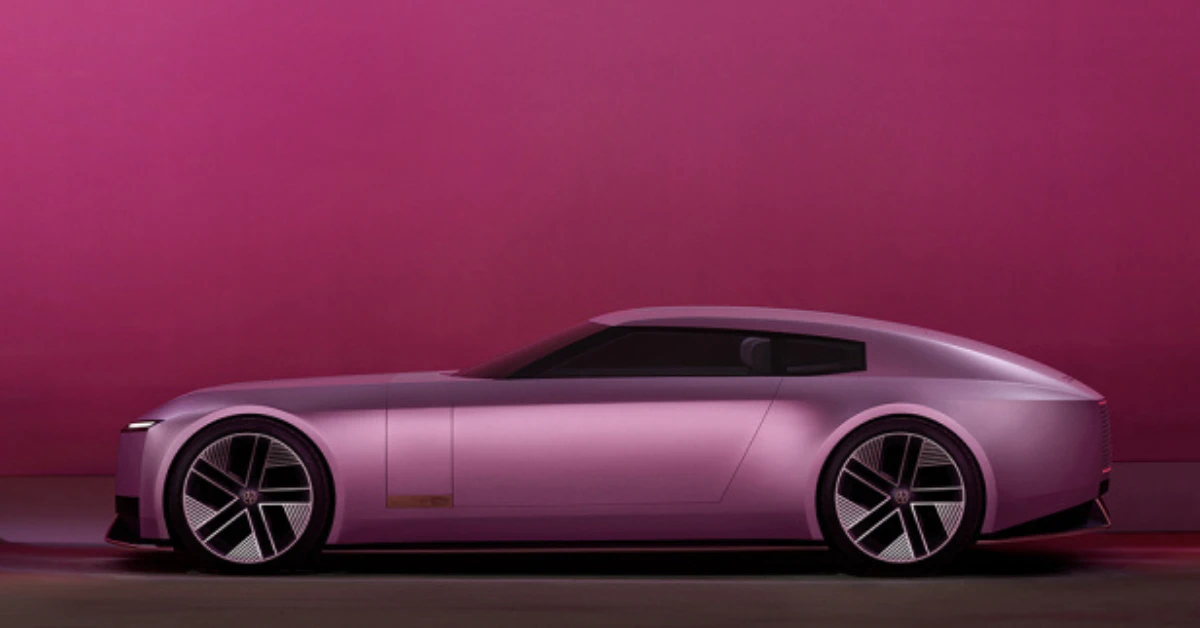
This drastic reduction is part of a deliberate plan. Jaguar is transitioning from a volume-focused brand to an exclusive, low-production marque aimed at affluent buyers. The centerpiece of this reinvention is the Type 00 concept, a striking grand tourer that offers a glimpse into the brand’s future. Expected to launch in 2026 under a different name, this electric GT will cater to high-net-worth individuals, with a six-figure price tag in dollars, euros, or pounds. The Type 00 concept’s bold design features a long bonnet, sweeping roofline, and 23-inch alloy wheels—an intentional rejection of conventional EV styling in favor of a more dramatic, sculptural approach.
Glover acknowledges the gamble, stating that Jaguar must “create and attract a new client base” to secure its long-term viability. The company is targeting wealthy urban dwellers who prioritize design and exclusivity over sheer powertrain performance. According to Jaguar’s leadership, luxury buyers rank powertrain considerations surprisingly low, placing them around 13th in importance when choosing a high-end vehicle. This insight has emboldened Jaguar to go all-in on electric vehicles, with no plans to offer internal combustion engines in its upcoming models.
By 2030, Jaguar expects EVs to dominate the automotive landscape, with its portfolio fully electrified. The company is positioning itself not just as an automaker but as a purveyor of art and design, a philosophy reinforced by its recent rebranding under the ‘Copy Nothing’ ethos. This new vision was unveiled at Miami Art Week, emphasizing Jaguar’s commitment to creativity and avant-garde aesthetics. The Type 00 concept debuted in two striking colors—Miami Pink, inspired by Art Deco influences, and London Blue, a nod to Jaguar’s British heritage.
Jaguar’s reinvention extends beyond aesthetics. Its first reimagined production vehicle, an electric four-door GT, will be built in the UK and revealed in late 2025. Utilizing the Jaguar Electric Architecture (JEA), this model is expected to deliver a range of up to 770 km (478 miles WLTP) and 692 km (430 miles EPA). Additionally, it will feature ultra-fast charging capabilities, adding 321 km (200 miles) of range in just 15 minutes.
While some may question Jaguar’s willingness to part ways with 85 percent of its existing customer base, the company remains steadfast in its vision. The risk is substantial, but so is the potential reward. By embracing exclusivity and electrification, Jaguar hopes to redefine itself as a luxury brand for the future—one that doesn’t chase mass appeal but instead captivates a select, design-conscious audience willing to pay a premium for something truly unique.
As the automotive world watches this transformation unfold, one thing is clear: Jaguar isn’t looking back. It’s forging ahead with a fearless new identity, one that may alienate some but will undoubtedly intrigue those seeking the extraordinary.